
Single-family rental insurance is one of the most overlooked safeguards in building wealth through rental property, and one of the most commonly underinsured. Many investors assume the homeowners policy they carried while living in the home still protects them once a tenant moves in. However, it does not. In fact, the moment a property becomes a rental, the risk changes, and so must the insurance.
This guide explains what single-family rental insurance is, what it covers, what it leaves out, and how to weigh the coverage decisions that actually matter. In short, it is the foundation for everything else in our rental property knowledge base.
What is single-family rental insurance?
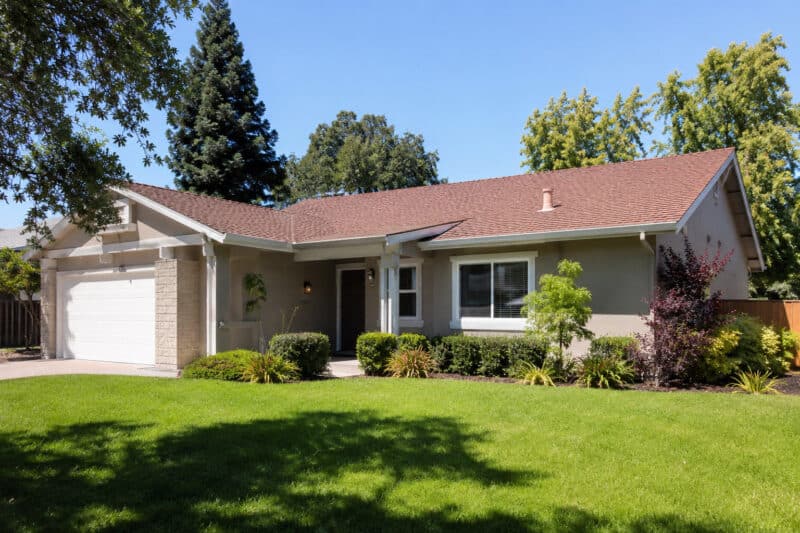
Single-family rental insurance, often called landlord insurance, is a property and liability policy for a home you own but do not live in. Above all, it centers on the realities of being a landlord: a tenant occupies the building, you collect rent, and your exposure runs financial as much as physical.
A landlord policy generally rests on three pillars. First, property coverage protects the building and certain structures you own. Second, liability coverage protects you when you become legally responsible for injuries or damage. Third, loss of rental income replaces the rent when a covered event makes the property unrentable.
A homeowners policy works differently, because it assumes the owner lives in the home and stores personal belongings there. As a result, if you put a tenant in the property under a homeowners policy, you risk a denied claim at the worst possible moment.
What single-family rental insurance covers
While every carrier and policy form differs, a typical landlord policy addresses the following.
- First, the dwelling. This covers the physical structure of the home, including walls, roof, foundation, and built-in systems, against perils such as fire, wind, hail, and certain water events. However, how broadly it applies depends on your policy form.
- Next, other structures. This includes detached garages, fences, sheds, and similar structures on the property.
- Then, liability protection. If a tenant or visitor gets injured on the property and a court finds you legally responsible, liability coverage pays defense costs and damages up to your limit. For most investors, therefore, this part of the policy protects net worth, not just the building.
- In addition, loss of rental income, also called fair rental value. If a covered loss makes the home uninhabitable, this reimburses the rent you would have collected during repairs. Without it, a fire does not just cost you a building; it also costs you months of cash flow.
- Landlord-owned personal property also counts. This covers items you keep at the property to service it, such as appliances, lawn equipment, or furnishings in a furnished rental.
- Finally, medical payments to others. This smaller, no-fault coverage handles minor injuries to non-tenants, and it can resolve incidents before they escalate into liability claims.
What single-family rental insurance does not cover
Just as important as what a policy covers is what it leaves out. The most common gaps include the following.
- First, your tenant’s belongings. A landlord policy never covers the tenant’s personal property. That is what renters insurance handles, so requiring it in your lease is one of the simplest risk-management moves you can make.
- Second, flood and earthquake. Carriers almost always exclude these and require separate policies. Flood coverage typically comes through the National Flood Insurance Program. As a result, if your property sits in a flood zone or a seismic region, this gap can become catastrophic.
- Third, wear, tear, and neglect. Insurance covers sudden, accidental events, not deferred maintenance, gradual deterioration, or pest damage.
- Fourth, extended vacancy. Most policies restrict or exclude coverage once a property sits vacant beyond a set period, often 30 to 60 days. Therefore, a property between tenants or under renovation may need a different policy.
- Finally, intentional acts and certain tenant-caused damage. Coverage for tenant damage runs narrower than most investors expect, and it depends heavily on the cause.
In short, each of these gaps is its own topic, and each one surprises investors at claim time.
Policy forms: not all landlord coverage is equal
Two landlord policies can look similar on price yet behave very differently at claim time. Usually, the policy form drives that difference.
- Named-peril forms (for example DP-1, DP-2) cover only the perils the policy lists. So if the policy does not name a cause of loss, it does not cover it.
- Special or open-peril forms (for example DP-3) cover all causes of loss except those the policy specifically excludes, which is a much broader and more protective approach.
Equally important is how the carrier pays a claim. For example, Actual Cash Value (ACV) pays the depreciated value of damaged property, so you absorb the depreciation. Replacement Cost, by contrast, pays to rebuild or repair with like materials and does not subtract depreciation.
As a result, the cheapest policy is often a named-peril, actual-cash-value form. It looks like a bargain until a claim, when the depreciation and coverage gaps land on you.
How much single-family rental insurance do you actually need?
Three decisions drive most of the value in a landlord policy.
1. Insure the dwelling to rebuild it, not to its market value. This is the single most common mistake investors make. Market value includes land, and the market drives it; replacement cost, by contrast, is what it takes to physically rebuild. For example, a property worth 250,000 dollars on the market might cost 320,000 dollars to rebuild, or the reverse. As a result, insuring to market value leaves you exposed and can trigger a coinsurance penalty on partial claims.
2. Set liability limits to protect your net worth. A single serious injury claim can exceed a standard policy limit. Therefore, your liability limit should reflect what you have to lose, not the minimum the lender requires.
3. Layer an umbrella over the top. For most investors with more than one property, or any meaningful net worth, an umbrella is the most cost-efficient way to buy large liability limits across the whole portfolio.
Common single-family rental insurance mistakes
Most often, investors repeat the same handful of mistakes:
- Keeping a homeowners policy on a property they now rent out.
- Insuring to market value instead of replacement cost.
- Skipping loss-of-rents coverage and assuming repairs will not interrupt income.
- Failing to require tenants to carry renters insurance.
- Ignoring flood or earthquake exposure because it is not required.
- Letting a property sit vacant without adjusting coverage.
Frequently asked questions
Does my homeowners insurance cover a rental property?
No. Once tenants occupy the home, a homeowners policy may not respond to a claim. Instead, you need a landlord (dwelling fire) policy built for rental use.
Do I still need landlord insurance if my tenant has renters insurance?
Yes. Renters insurance covers the tenant’s belongings and liability. However, it does not cover your building, your liability as the owner, or your lost rent.
Is flood damage covered?
Almost never under a standard landlord policy. Therefore, flood requires a separate policy, often through the National Flood Insurance Program, regardless of whether your lender mandates it.
Should I own the rental in an LLC, and how does that affect insurance?
Ownership structure changes how you write the policy and how you layer your liability. In short, it is an important decision, and we cover it separately.
Build your coverage on a solid foundation
A single-family rental is a business asset. Therefore, the right policy protects the building, the income it produces, and everything you have built behind it, not just the structure.
Get a coverage review from Vantage Point Risk. We will review how you currently insure your single-family rentals, find the gaps, and show you what proper protection looks like for your situation. Request your free coverage review.